


Gridlife kicked off the 2026 season at Carolina Motorsports Park just a few weeks ago. With the recent sale of Gridlife, no events selling out in pre-sale as they had been for the past ~3 years, and many rule changes, there was plenty of hand-wringing about whether things would feel significantly different this year.
I attended simply as a spectator for the first time, after three years of racing with Gridlife. Let's dive into my observations on the weekend, focusing primarily on GLTC.
The Parity is Better Than Ever
Watching the first few GLTC races of the season, I was pleasantly surprised by the tight pack racing towards the front. In race 1, positions 2-7 were highly contested by a wide variety of cars. Even in that moment, I thought to myself, this is exactly what GLTC is about.
We can ignore for a moment that when his car wasn't broken, Eric Kutil was absolutely dominating, because he did the same thing last year. Despite qualifying second and only having half of race 1 to stretch his legs, Kutil had opened up a commanding 6-second lead before losing a cylinder and finishing 13th. Kutil then drove from 13th to 2nd in the second race.
For the first time in years, the weekend saw 4 distinct winners in GLTC: Eric Magnussen (R1), Nicholas Barbato (R2), Eric Kutil (R3), and Blake Korth (R4, after on-track winner Aryton Grim was DQ'd).
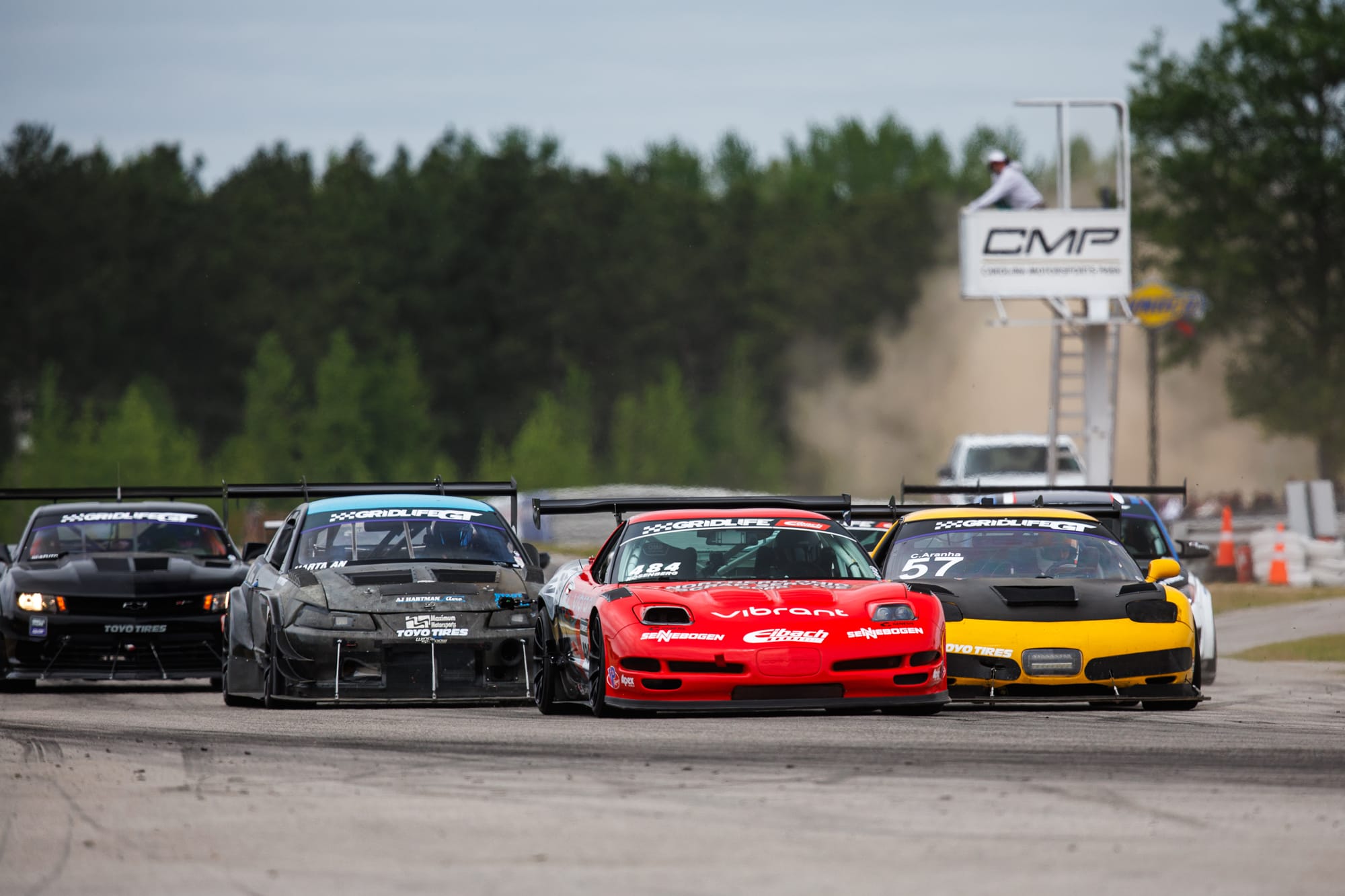
These results showed great diversity in build types: a heavyweight V8, a midweight inline-6, a lightweight normally aspirated 4-cylinder, and a lightweight turbocharged 4-cylinder. Extrapolating out to the top 15 cars, the mix was about the same, but only two V8s were a notable change, and the series skewed a bit more towards lightweight 4-cylinders again.
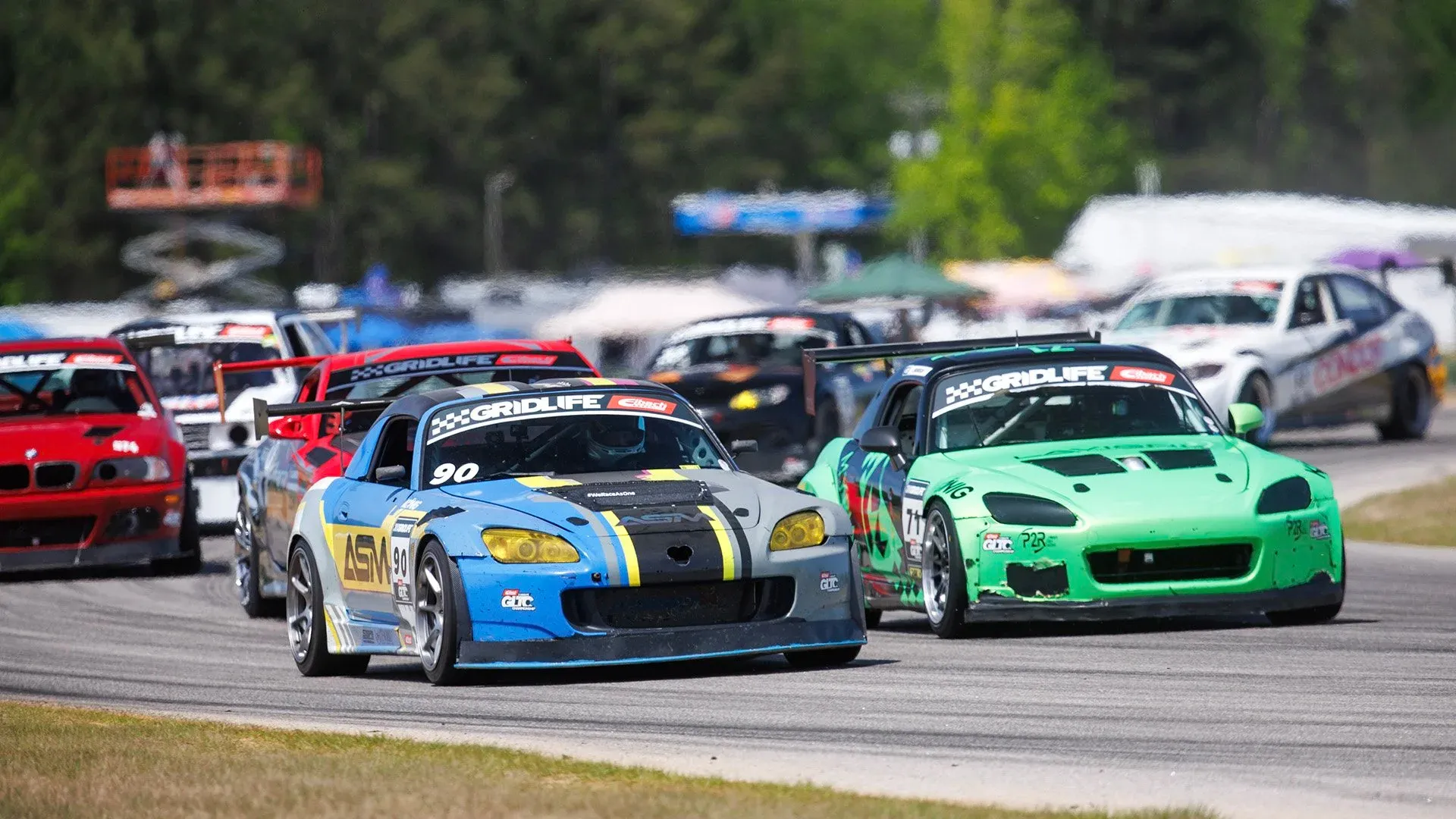
Had it not been for car troubles in races 1 and 4, Kutil likely would have swept the weekend. That said, it's too early to tell how dominant he'll be across the whole season, as even Kutil admits that his car and driving skills are uncannily suited for CMP.
There are still many aspects of the GLTC rulebook that I don't agree with and would like to see changed, but that is more of a me problem. As a team, we tried something with our E90s for several years that didn't work, but if you can't beat 'em, join 'em, right? (yes, this is subtle foreshadowing)
My overall impression was that GLTC is as healthy and competitive as ever.
New Ownership: Too Early To Judge
Many decried the sale of Gridlife as an inevitable death knell, since private equity manages to ruin everything. Private equity was not, in fact, the buyer, but nevertheless, it is still a new ownership group.
Given that the sale was only about 6 weeks before the start of the season, there was little tangible effect thus far. I would say that was to be expected. It will take years to fully flesh out any changes the new owners enact.
My guess is that Chris Stewart & Adam Jabaay (the founders) and the rest of the Gridlife core staff will stay around for at least 2 or 3 years, even if they are not contractually obligated to do that. What happens when the original core group starts to peel off will be the interesting part.
Dilution Remains a Concern
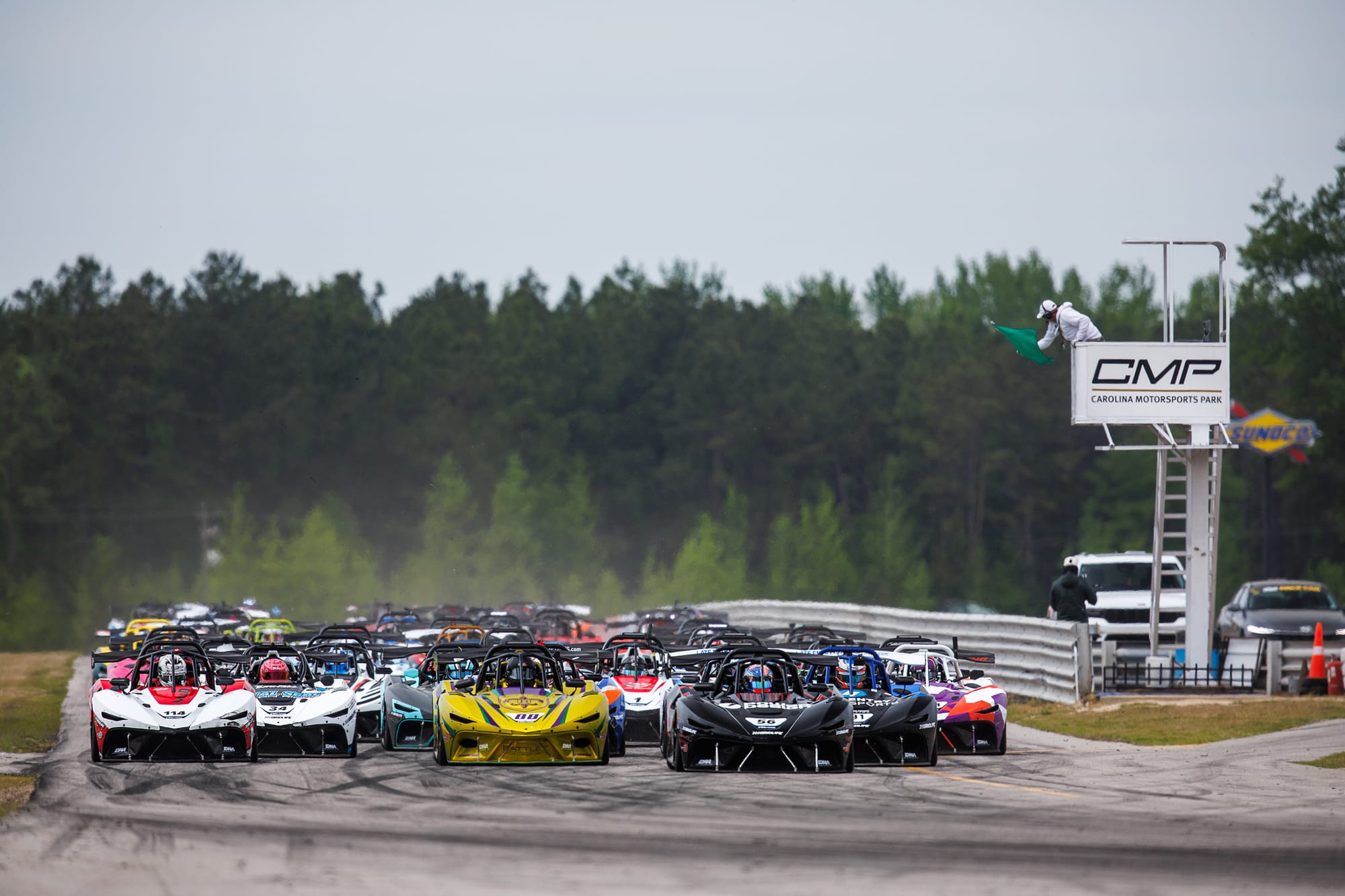
In two short years, three additional racing classes were added into the mix: Rush SR, GLGT, and USF Juniors (which is its own thing, not a Gridlife class). Rush SR has grown at a breakneck pace, but GLGT is proving to take time to catch on. In the meantime, it is poaching drivers from GLTC.
With four time attack and one racing class (GLGT) having 10 or fewer entries, there are significant portions of the day at the track and on the broadcast that feel sleepy and boring. This is somewhat inevitable, but I would hate to see class creep take over Gridlife, as many NASA classes have only 2-5 entries.
Round 2: Road Atlanta
Gridlife is back again this weekend with Friday and Saturday racing at Road Atlanta. You can tune in to the broadcast from 8 AM to 2 PM on Friday, May 8th, and Saturday, May 9th, on Gridlife's YouTube channel or with the stream links below.


Grassroots racing, properly overthought.